Empowering Long-Term Care: 2024 Hearing Care Workshop
- The Problem: In Taiwan, 40% of seniors over 65 suffer from disabling hearing loss, yet less than 20% use assistive devices. Caregivers lack the tools to identify and manage this invisible barrier.
- The Solution: Pioneered a cross-disciplinary, highly interactive workshop equipping 48 care professionals with empathy training, evidence-based communication strategies, and practical screening tools.
- The Impact: Achieved an outstanding 4.85/5 satisfaction rate for integration willingness, and successfully secured partnerships with 17 long-term care institutions for the 2025 execution phase.
The Challenge: The Invisible Barrier in Elder Care
According to the 2019 PSA Hearing Screening Report, approximately 40% of elders over 65 in Taiwan have disabling hearing loss. Alarmingly, only 1 in 5 of them utilize hearing assistive devices. This massive gap often leads to social isolation, cognitive decline, and caregiver frustration.
In long-term care settings, behaviors such as ignoring doorbells, setting TV volumes excessively high, or frequent interpersonal conflicts are often mistakenly attributed to cognitive decline (dementia) or personality changes. Caregivers, while deeply dedicated, lack the specialized training to identify auditory decline.
Long-term care isn't just about ensuring physical safety; it's about maintaining a person's connection to the world. Hearing is that invisible, vital bridge.
The Workshop: A 6-Module Immersive Framework
To bridge this gap, I designed and facilitated Taiwan's pioneering collaborative workshop between hearing care and long-term care. Every module was specifically engineered to translate clinical audiology into practical, daily caregiving solutions.
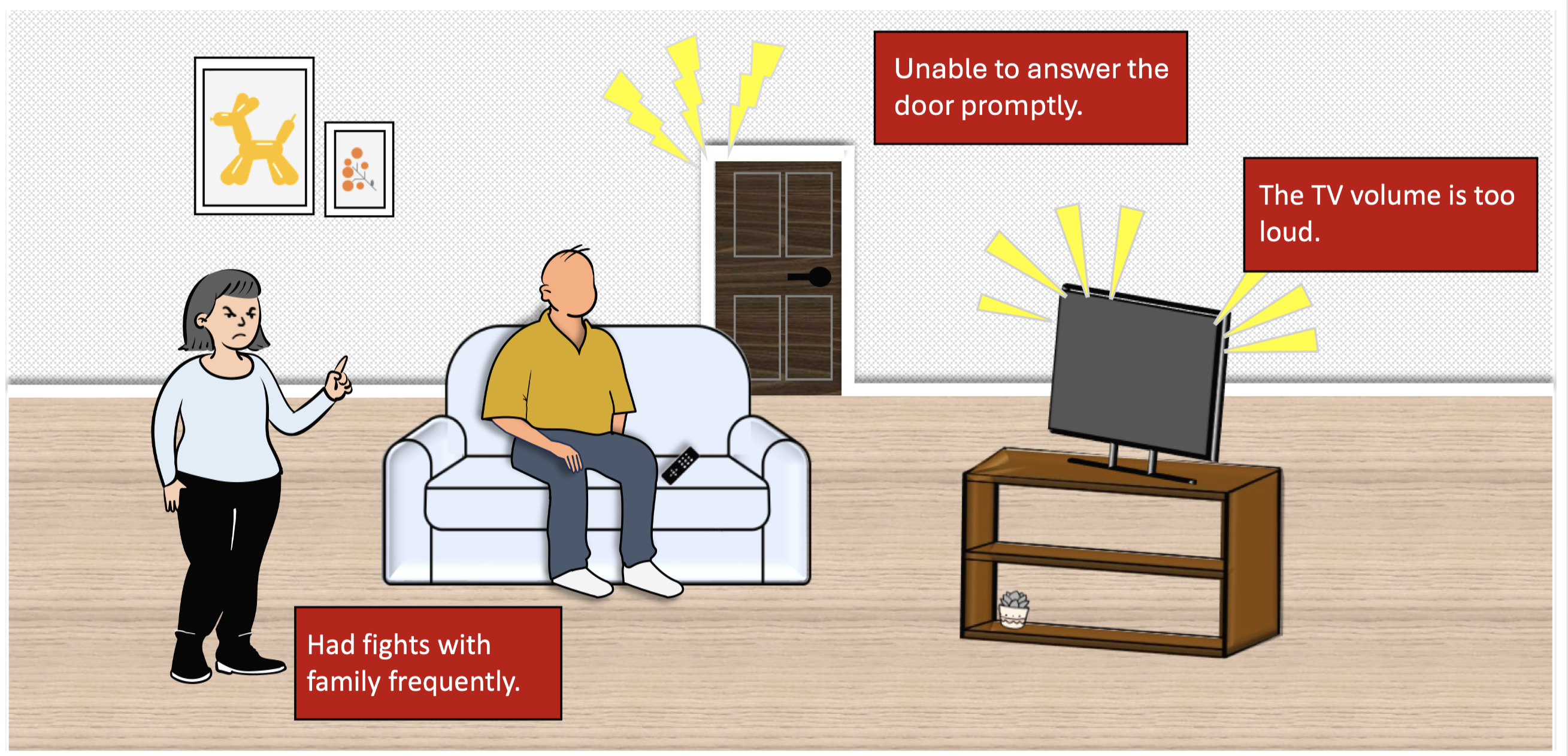
Scenario Experience
Participants wore specialized earmuffs to physically experience the frustration of auditory barriers, miscommunication, and social exclusion in daily life settings.
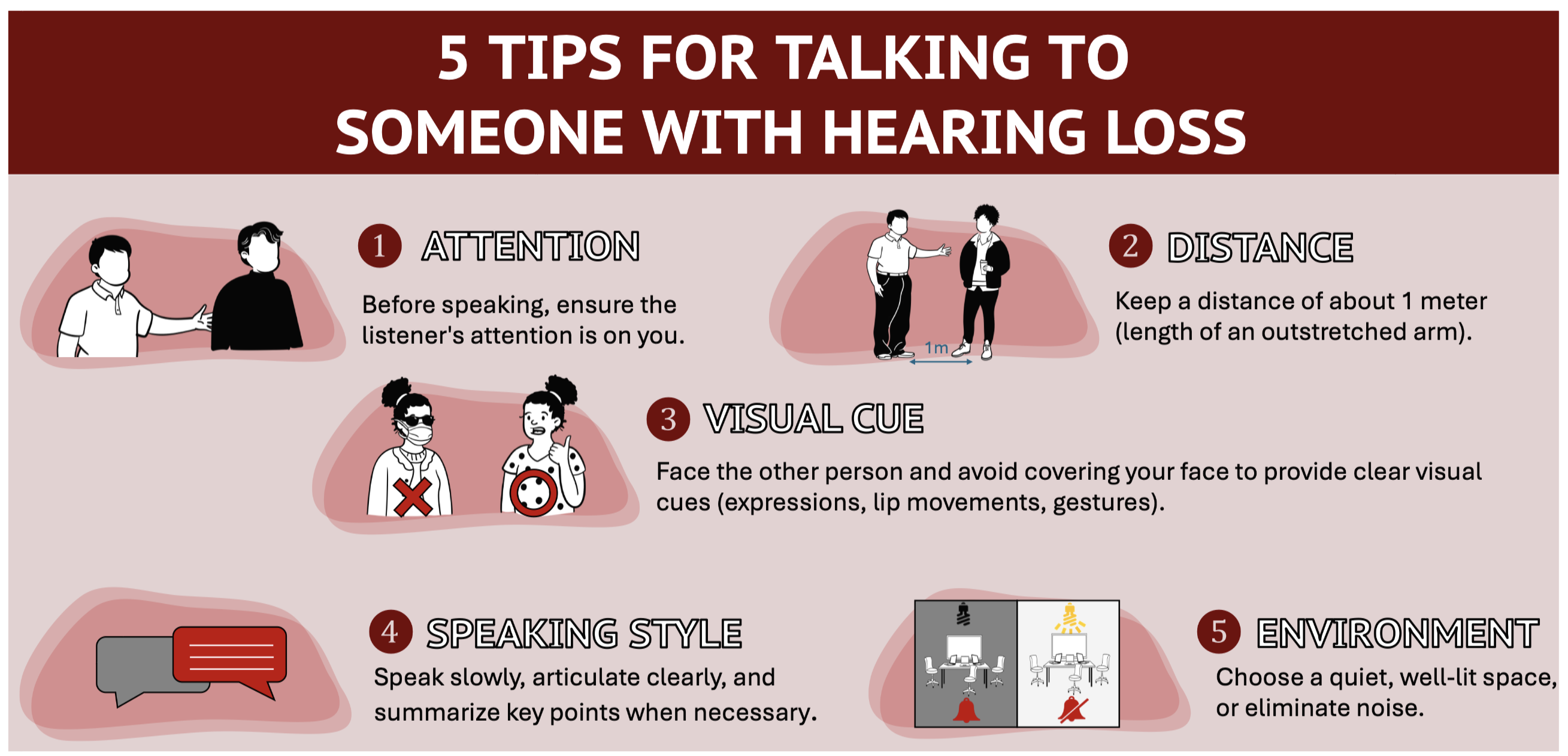
Knowledge Seminar
Systematic education establishing the "5 Tips Framework" for communication: Attention, Distance (1m), Visual Cues, Speaking Style, and Environmental control.
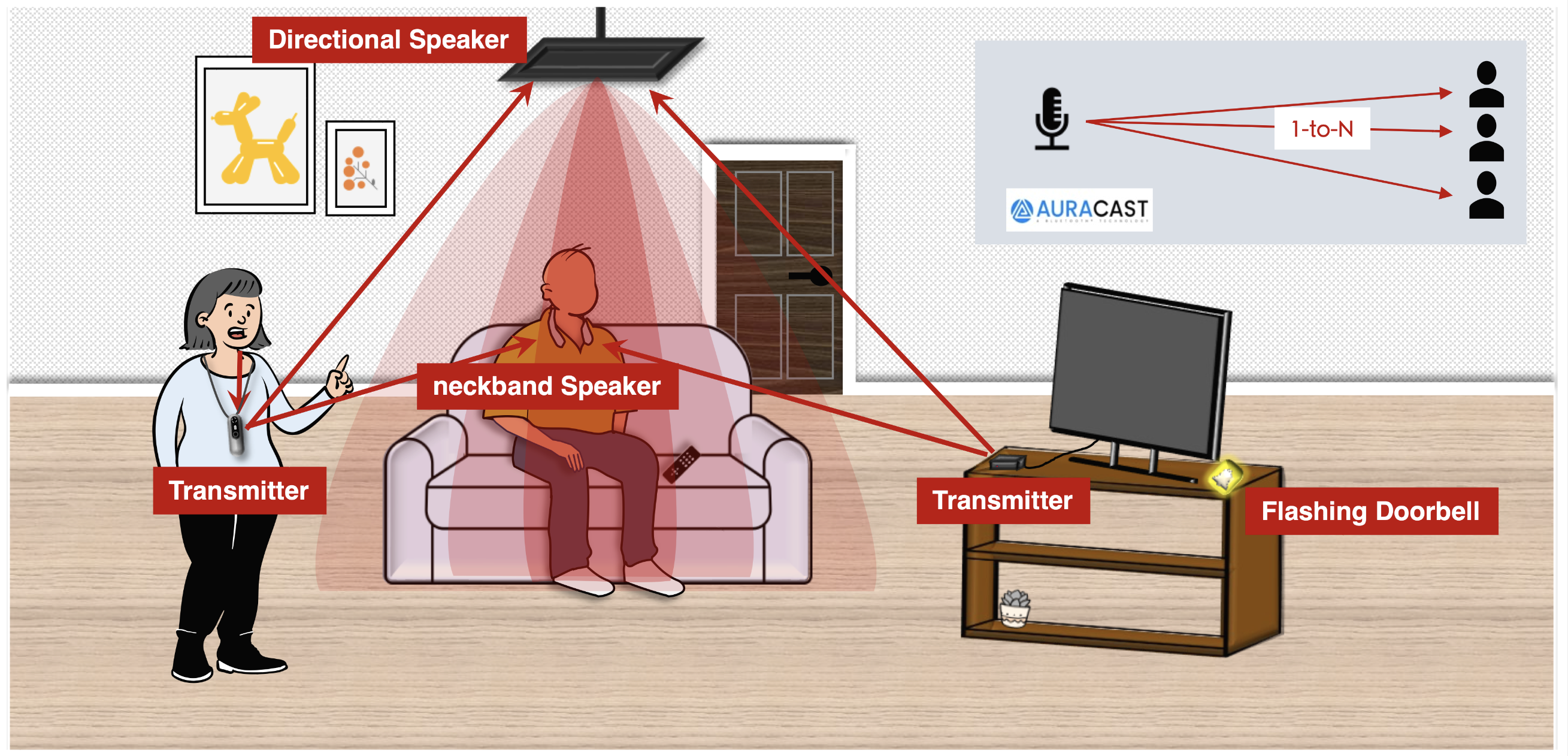
Auditory Assistive Device Experience
We shifted the caregiver's mindset from "just hearing aids" to comprehensive ecosystem solutions. A major highlight was introducing Auracast™ broadcast audio, enabling multiple older adults to seamlessly connect to a shared audio source (e.g., TV). Participants also engaged in hands-on trials with directional and neckband speakers.
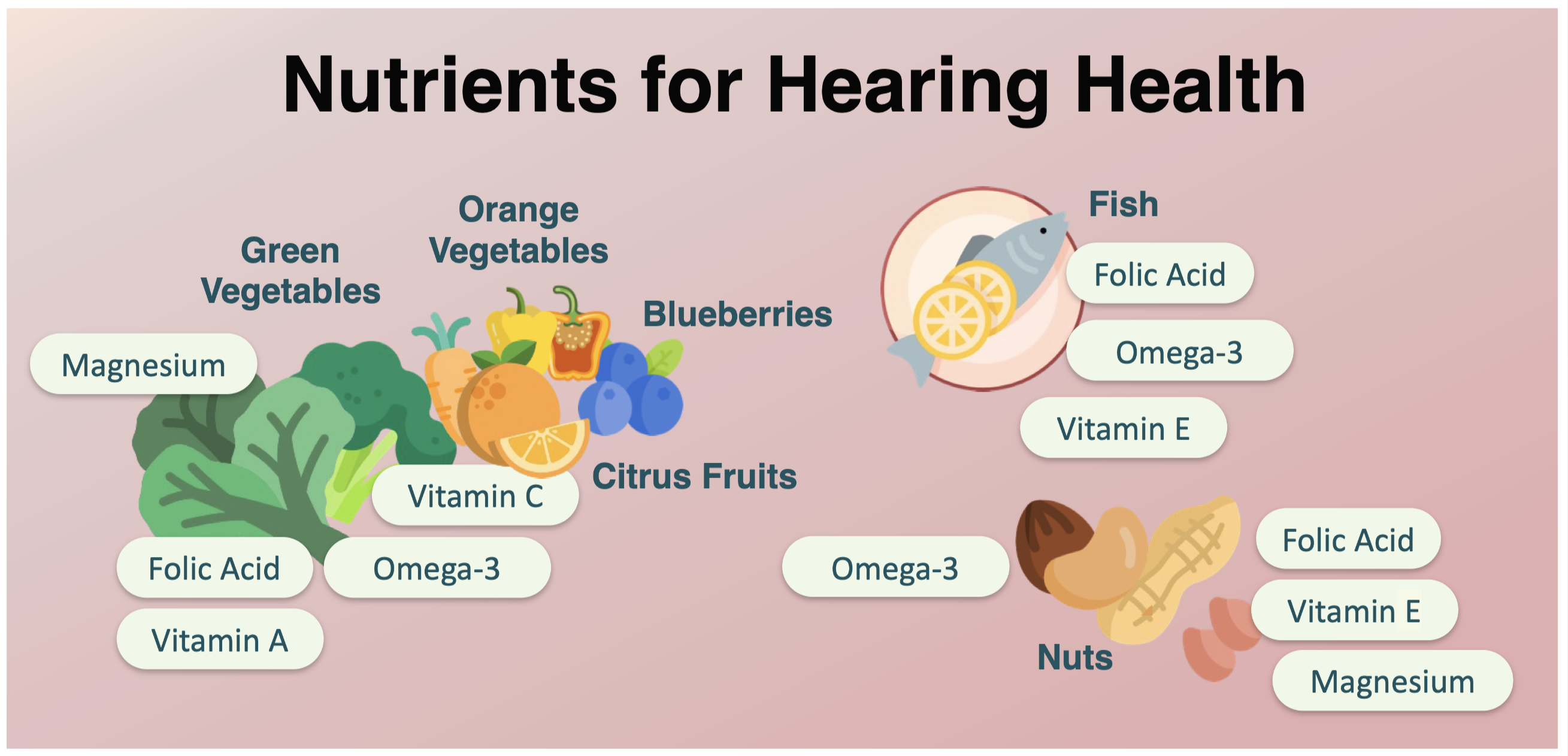
Ear-Health Meal
A curated culinary experience featuring ingredients proven to support auditory health, such as fish (Omega-3), leafy greens (Folic Acid), and nuts (Magnesium).
Auditory Care Digital Tools
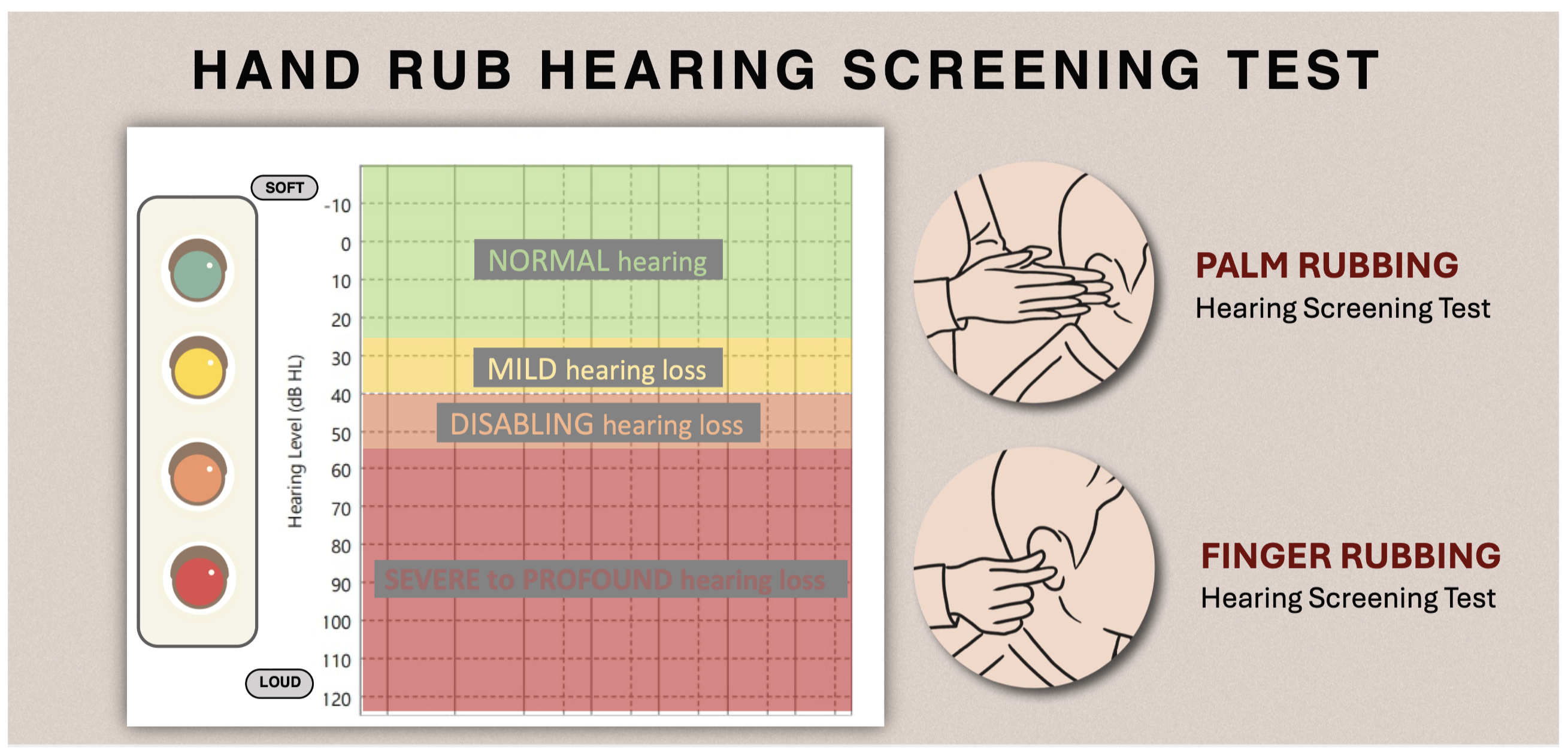
To dramatically lower the barrier for initial assessments, I introduced the "Hand Rub Hearing Screening Calculator" and an intuitive "Symptom Checklist". These tools were built and demoed via the Gorilla™ platform, empowering caregivers to rapidly identify hearing decline within daily routines.
Try the Interactive Demo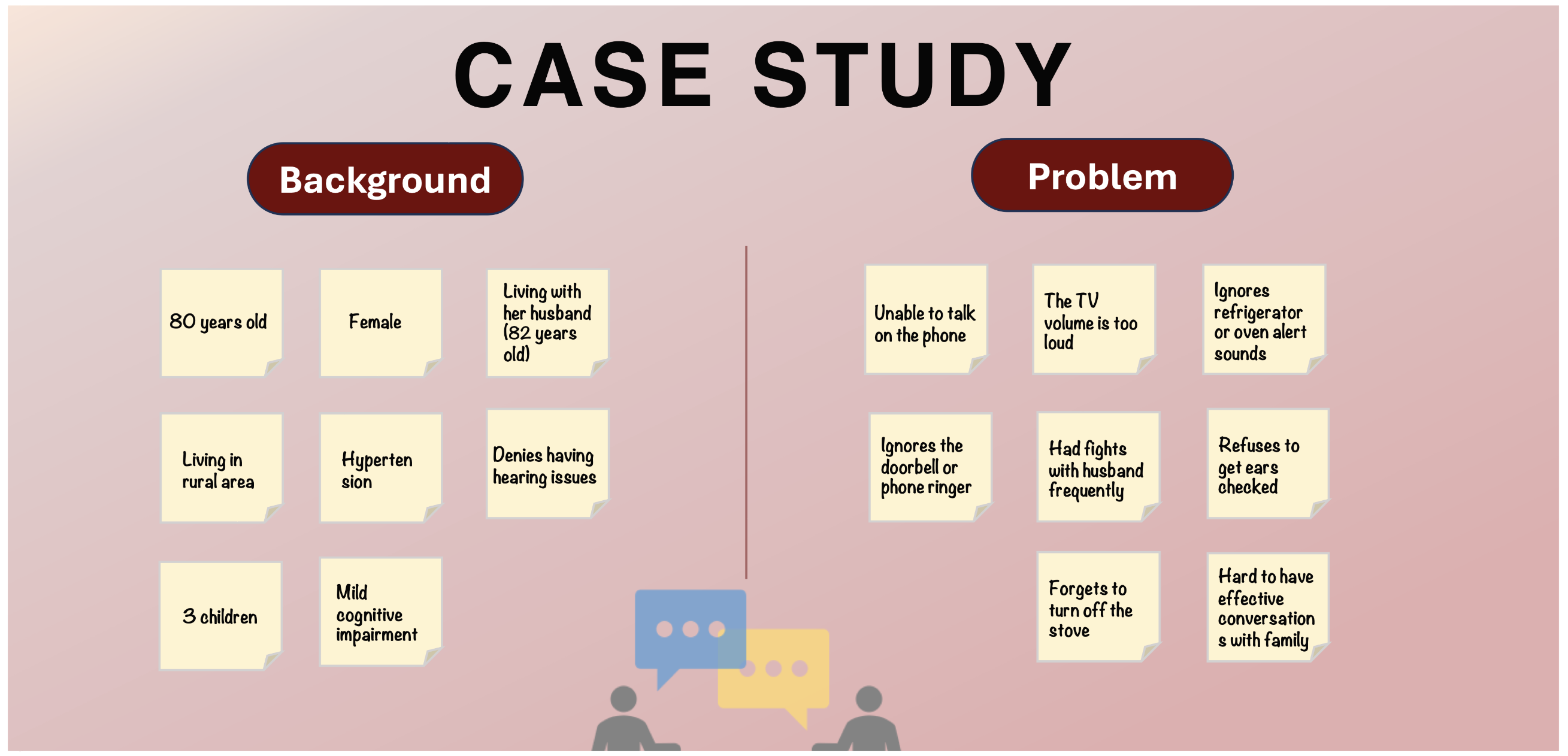
Co-Creation Workshop
Collaborative discussions where caregivers brought real-world challenges to design customized, actionable auditory care strategies for their own facilities.
Looking Forward: Expanding the Impact
The workshop successfully validated the demand for integrated auditory care. Based on our post-event surveys, participants overwhelmingly recognized the need for systemic change.
Dementia & Hearing Link
Future curricula will place a stronger emphasis on the connection between hearing loss and dementia, providing caregivers with evidence-based narratives to motivate seniors to seek early intervention.
Scaling the Implementation
With 17 institutions formally expressing their intent to collaborate, we are now actively planning the rollout of the 2025 on-site interventions across Taiwan's long-term care ecosystem.